Polycystic Ovary Syndrome (PCOS) is one of the most common hormonal conditions affecting women of reproductive age. Many women experience symptoms for years before receiving a diagnosis, often assuming irregular periods, acne, or weight gain are simply part of everyday life.
Recognising the symptoms early can help you seek appropriate assessment and treatment before they begin to affect your overall health or fertility.
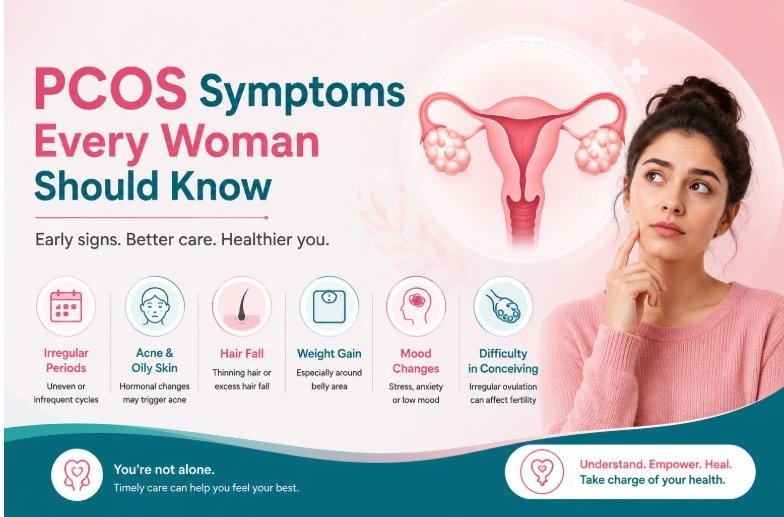
What Is PCOS?
PCOS is a hormonal condition that can affect ovulation, menstrual cycles, fertility, metabolism, and overall health. Symptoms vary from woman to woman, and not everyone experiences the same signs.
Common PCOS Symptoms to Watch For
1. Irregular or Missed Periods
This is often the first sign of PCOS. Periods may become infrequent, unpredictable, unusually light, or occasionally very heavy. Some women may even go months without a period.
2. Excess Hair Growth (Hirsutism)
Elevated androgen levels can cause extra hair growth on the face, chest, back, or abdomen — areas where women don’t typically grow noticeable hair.
3. Acne and Oily Skin
Persistent acne, especially along the jawline and chin, that doesn’t respond well to typical skincare routines can be linked to hormonal imbalance rather than diet or hygiene.
4. Thinning Hair or Hair Loss on the Scalp
While PCOS can cause extra hair growth on the body, it can simultaneously cause thinning or male-pattern hair loss on the scalp.
5. Weight Gain, Particularly Around the Abdomen
Many women with PCOS find it harder to manage their weight, especially around the midsection, due to underlying insulin resistance.
6. Difficulty Getting Pregnant
Because PCOS often prevents regular ovulation, it’s one of the most common causes of infertility. If you’ve been trying to conceive without success, it’s worth exploring whether PCOS could be a factor. Our infertility and fertility care services are designed specifically to help identify and treat underlying causes like this.
7. Skin Changes (Dark Patches)
Some women develop darker, thicker patches of skin, often on the neck, underarms, or groin. This condition, known as acanthosis nigricans, is commonly associated with insulin resistance.
8. Mood Changes
Anxiety and low mood are reported more frequently among women with PCOS than in the general population. Living with ongoing symptoms can have a significant impact on emotional well-being.
9. Pelvic Pain or Discomfort
Not every woman with PCOS experiences pain, but some report pelvic discomfort, particularly around their cycle.
Why Early Diagnosis Matters
Early diagnosis allows appropriate management and may reduce the risk of long-term health complications such as diabetes and high blood pressure.
How Is PCOS Diagnosed?
There is no single test for PCOS. Diagnosis is usually based on your symptoms, medical history, examination, blood tests, and an ultrasound. If you’d like to know what to expect from a scan, take a look at our guide to obstetric and gynecological ultrasound services.
When Should You See a Doctor?
You don’t need to have every symptom on this list. If you notice any combination of the following, it’s worth booking a consultation:
- Periods that are irregular, absent, or unusually heavy
- New or worsening acne or excess hair growth as an adult
- Unexplained weight gain that’s hard to manage
- Trouble conceiving after several months of trying
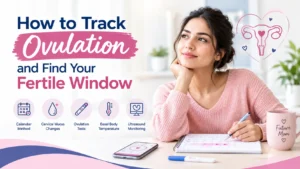
Read More About : How to Track Ovulation and Find Your Fertile window
If you recognise any of these symptoms, booking a consultation with our gynecologist, Dr. Reeta Kumar, Senior Specialist Obstetrician and Gynecologist with over 30 years of experience, can help determine whether PCOS or another hormonal condition may be contributing to your symptoms.
At Lifeway Specialized Medical Centre in Sharjah, we provide assessment, appropriate investigations, and personalised treatment recommendations based on your individual needs.
📞 Book your consultation today.