Pregnancy can bring changes to your teeth and gums. Hormonal changes, morning sickness, and changes in eating habits can all affect your oral health. The good news is that routine dental care is generally safe during pregnancy. This guide explains common dental concerns during pregnancy, which treatments can be provided safely, and how to care for your teeth and gums throughout pregnancy.
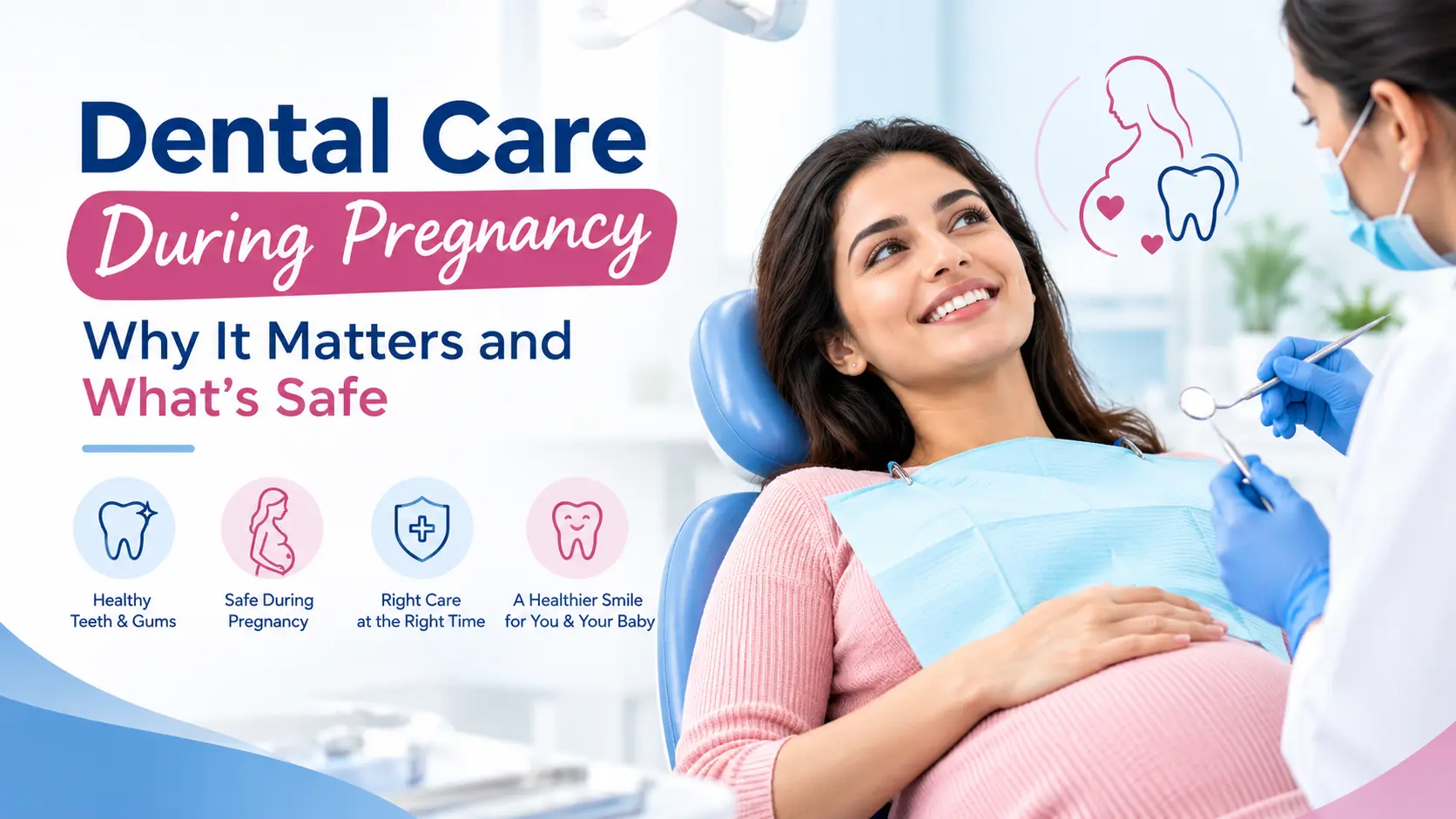
Why pregnancy affects your teeth and gums
Rising hormone levels make your gums react more strongly to plaque, the sticky film of bacteria that builds up on teeth. This can make gums swollen, tender and more likely to bleed. Morning sickness, changes in eating habits, and more frequent snacking may also increase the risk of certain dental problems during pregnancy.
Common dental problems during pregnancy
Pregnancy gingivitis. Hormonal changes can make the gums more sensitive to plaque, leading to redness, swelling, tenderness, or bleeding when brushing or flossing. Read more about gum swelling causes and treatment.
Pregnancy epulis. Some women develop a small, red growth on the gums during pregnancy. These growths are benign and often improve after pregnancy, but they should still be assessed by our dental team, particularly if they bleed, cause discomfort, or interfere with eating or brushing.
Enamel erosion from morning sickness. Frequent vomiting exposes the teeth to stomach acid, which can gradually weaken enamel. Avoid brushing immediately after vomiting. Instead, rinse your mouth with water and wait before brushing.
Cavities. Frequent snacking and sugary foods or drinks can increase the risk of tooth decay. Learning the early signs of cavities can help you recognise possible problems sooner.
Tooth sensitivity. Gum changes and enamel wear can leave teeth sensitive. Our post on sudden tooth sensitivity explains the causes.
Is dental treatment safe during pregnancy?
Yes. Routine dental check-ups, professional cleaning, and necessary dental treatment can generally be provided safely during pregnancy. If you have tooth pain, swelling, decay, or signs of infection, it is important to have it assessed rather than waiting until after pregnancy.
The second trimester may be more comfortable for some non-urgent treatments, but necessary dental care can be provided at any stage of pregnancy. Let our dental team know that you are pregnant and how far along you are so your care can be planned appropriately.
Dental X-rays and local anesthesia may also be used when clinically necessary. Our dental team will determine what is appropriate based on the treatment required and your individual situation.
Elective cosmetic treatments such as teeth whitening are generally best postponed during pregnancy.
If a tooth is infected or severely inflamed, treatment should not necessarily be delayed. Root canal treatment can be performed during pregnancy when clinically necessary and may help preserve the affected tooth.
How to look after your teeth at home
- Brush twice a day with fluoride toothpaste and a soft toothbrush. See our guide on how to brush teeth properly for helpful tips.
- Clean between your teeth daily with floss or another suitable interdental cleaner to help remove plaque from areas your toothbrush cannot reach.
- Rinse after vomiting. Rinse your mouth with water and avoid brushing immediately afterward, as stomach acid can temporarily soften the enamel.
- Clean your tongue. This can help reduce bacteria and keep your mouth feeling fresh, particularly if nausea leaves an unpleasant taste. Learn more about tongue cleaning.
- Limit frequent sugary snacks and drinks. Our guide to foods that damage teeth and cause cavities explains what to watch for. For pregnancy nutrition advice, see our diet and nutrition plan during pregnancy.
What to tell our dental team
When you visit our dental clinic during pregnancy, let our dental team know:
- How many weeks pregnant you are
- Any medicines, vitamins, or supplements you are taking
- Any pregnancy-related or other medical conditions
- If you have been experiencing frequent vomiting
- Any advice you have received from your obstetrician that may be relevant to your dental care
At Lifeway Specialized Medical Centre, both dental, antenatal and obstetric care are available at our clinic. If you’re planning a pregnancy, our gynecology team also provides preconception counselling. If you’re newly pregnant, you can also read our guide to first trimester check-up in Sharjah.
Frequently asked questions
Is it safe to have a dental cleaning while pregnant?
Yes. Professional cleaning is safe and can reduce gum inflammation.
Can I have a filling while pregnant?
Yes, when needed. Treating a cavity is better than leaving it to become an infection.
Are dental X-rays safe during pregnancy?
Yes. Dental X-rays can be taken during pregnancy when necessary for your dental care.
Why do my gums bleed more during pregnancy?
Hormonal changes make gums more sensitive to plaque. Good oral hygiene and professional dental care can help.
Should I tell my dentist I’m pregnant?
Yes, always. It helps them plan safe care.
Book your pregnancy dental check-up in Sharjah
Whether you’re pregnant or planning a pregnancy, looking after your teeth and gums is an important part of your overall health.
At Lifeway Specialized Medical Centre in Taawun, Al Mamzar, Sharjah, our dental team provides dental check-ups, professional cleaning, and treatment for a range of dental concerns during pregnancy.
Pregnant and due for a dental check-up, or concerned about your teeth or gums? Contact our clinic by phone or WhatsApp to book an appointment with our dental team.
This article is for general information only and isn’t a substitute for professional dental or medical advice.