Hormones play a crucial role in regulating various bodily functions, including metabolism, mood, reproduction, and overall health. When there is an imbalance in hormone levels, it can lead to several health concerns, affecting both men and women. If you’re looking for hormonal imbalance treatment in Sharjah, this guide will help you understand the causes, symptoms, and available treatments to restore balance and improve your well-being.
Understanding Hormonal Imbalance
Hormonal imbalance occurs when the body produces too much or too little of certain hormones. These imbalances can lead to various health issues, including weight gain, mood swings, fatigue, skin problems, and reproductive disorders. The most common hormones that can be affected include insulin, cortisol, thyroid hormones, estrogen, and testosterone.
Causes of Hormonal Imbalance
Several factors can contribute to hormonal imbalances, including:
- Stress: Chronic stress increases cortisol levels, which can disrupt other hormones in the body.
- Poor Diet: High sugar intake, processed foods, and unhealthy fats can contribute to hormone fluctuations.
- Sedentary Lifestyle: Lack of exercise can negatively impact hormone regulation.
- Medical Conditions: Disorders such as polycystic ovary syndrome (PCOS), thyroid dysfunction, and diabetes can cause hormonal imbalances.
- Medications: Some medications, including birth control pills and steroids, may affect hormone levels.
- Aging: Hormonal changes occur naturally with age, particularly during menopause and andropause.
- Environmental Factors: Exposure to toxins, such as pesticides and plastics, can disrupt endocrine function.
Symptoms of Hormonal Imbalance
The symptoms of hormonal imbalance vary depending on which hormones are affected. Common symptoms include:
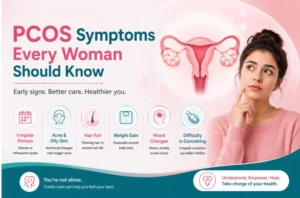
- In Women: Irregular periods, weight gain, acne, hair thinning, low libido, and mood swings.
- In Men: Fatigue, reduced muscle mass, weight gain, erectile dysfunction, and mood changes.
- In Both Genders: Insomnia, depression, digestive issues, and memory problems.
If you experience persistent symptoms, seeking hormonal imbalance treatment in Sharjah can help identify the root cause and restore balance.
Diagnosis of Hormonal Imbalance
A healthcare provider will conduct a thorough evaluation to determine the cause of hormonal imbalance. The diagnostic process includes:
- Blood Tests: To measure hormone levels, including thyroid, estrogen, testosterone, and insulin.
- Saliva Tests: Often used for cortisol and reproductive hormone analysis.
- Ultrasound or MRI: To check for abnormalities in glands such as the thyroid or ovaries.
- Physical Examination & Medical History: To assess symptoms and lifestyle factors.
Best Hormonal Imbalance Treatment in Sharjah
At Lifeway Specialized Medical Center, personalized treatment plans are designed based on your symptoms and medical history. The most effective treatment options include:
1. Hormone Replacement Therapy (HRT)
HRT is commonly prescribed for individuals experiencing severe hormonal fluctuations. It includes:
- Estrogen and Progesterone Therapy for women dealing with menopause symptoms.
- Testosterone Therapy for men with low testosterone levels.
- Thyroid Hormone Therapy for individuals with hypothyroidism or hyperthyroidism.
2. Medications
Depending on the condition, medications may be prescribed to regulate hormone levels, including:
- Birth control pills for menstrual irregularities.
- Insulin therapy for diabetes management.
- Thyroid medications to balance thyroid hormone levels.
3. Lifestyle Modifications
Simple lifestyle changes can have a significant impact on hormone regulation:
- Healthy Diet: Eating whole foods, lean proteins, healthy fats, and fiber can support hormonal balance.
- Regular Exercise: Strength training and cardio workouts help regulate insulin and cortisol levels.
- Stress Management: Practices such as yoga, meditation, and deep breathing exercises can lower stress hormones.
- Adequate Sleep: Ensuring 7-9 hours of quality sleep helps maintain hormonal equilibrium.
4. Herbal and Natural Remedies
Some natural supplements and herbs can support hormone balance, including:
- Ashwagandha: Helps regulate cortisol and thyroid hormones.
- Maca Root: Beneficial for reproductive hormone balance.
- Evening Primrose Oil: Supports estrogen levels and reduces PMS symptoms.
- Omega-3 Fatty Acids: Aid in hormone production and reduce inflammation.
5. Advanced Therapies
- IV Nutrient Therapy: Provides essential vitamins and minerals to support endocrine function.
- Bioidentical Hormone Therapy: Uses plant-based hormones that mimic natural human hormones.
Preventing Hormonal Imbalances
While some hormonal changes are inevitable, adopting a healthy lifestyle can reduce the risk of imbalances. Here are some preventive measures:
- Maintain a balanced diet rich in vitamins and minerals.
- Engage in regular physical activity to support metabolic and hormonal health.
- Reduce exposure to environmental toxins by using organic products.
- Manage stress effectively through mindfulness techniques.
- Schedule regular health check-ups at Lifeway Specialized Medical Center for early detection of imbalances.
Finding the Right Hormonal Imbalance Treatment in Sharjah
If you are experiencing symptoms of hormonal imbalance, seeking professional help is essential. Lifeway Specialized Medical Centre offers specialized hormonal imbalance treatment in Sharjah, ensuring a personalized approach to diagnosis and care. With advanced medical solutions, lifestyle guidance, and holistic therapies, patients can achieve long-term hormonal health.
Additionally, if you need dental care, you can visit a Dental Clinic in Sharjah for expert oral health treatments.
Hormonal imbalances can significantly impact your quality of life, but with the right treatment and lifestyle modifications, balance can be restored. If you’re looking for effective hormonal imbalance treatment in Sharjah, visit Lifeway Specialized Medical Center for expert medical care tailored to your needs. Don’t ignore persistent symptoms—take the first step toward a healthier, more balanced life today!
Frequently Asked Questions
Common symptoms include weight gain, fatigue, mood swings, irregular periods, hair loss, and sleep disturbances.
Hormonal imbalances can be caused by stress, poor diet, thyroid disorders, PCOS, menopause, or underlying medical conditions.
A doctor may perform blood tests, hormone level assessments, and physical examinations to diagnose hormonal imbalances.
Treatments include hormone therapy, lifestyle changes, medications, and dietary adjustments, depending on the underlying cause.
Yes, some cases can be managed with diet, regular exercise, stress reduction, and herbal supplements, but medical consultation is recommended.
Foods that support hormone balance include leafy green vegetables, whole grains, fruits, nuts, seeds, and lean proteins. Healthy fats such as avocados and omega-3-rich foods help regulate hormone production. Reducing sugar, processed foods, and refined carbs is also important for maintaining stable hormone levels.
Yes, a gynecologist can diagnose and treat hormonal imbalance, especially conditions related to menstrual irregularities, PCOS, fertility issues, pregnancy, and menopause. Treatment may involve lifestyle changes, medications, or hormone therapy based on test results and symptoms.
Low to moderate-intensity exercises are best for hormonal balance. Activities like walking, yoga, Pilates, light strength training, and stretching help regulate stress hormones and improve overall hormonal health. Over-exercising should be avoided as it may worsen hormonal imbalance.
Hormonal balance is checked through blood tests prescribed by a doctor. These tests measure hormone levels such as estrogen, progesterone, thyroid hormones, and cortisol. A medical evaluation of symptoms like fatigue, weight changes, or irregular periods is also part of the diagnosis.
Staying hydrated is essential for healthy hormone function. Water, herbal teas, and fresh vegetable juices support hormone regulation. Drinks high in sugar, caffeine, or artificial ingredients should be limited as they can disrupt hormonal balance.